
That nagging ache in your shoulder or hip when you roll out of bed isn't just a sign you slept wrong—it's a mattress talking back. In our climate, where humidity can make everything feel heavier, a surface that doesn't yield enough becomes a pressure point amplifier. Your hips and shoulders need to sink a little to keep your spine in a neutral line; a board-like mattress forces them to stay high, twisting your alignment until morning.
Budget mattresses under a certain price point often compound the problem. They might claim medium firmness, but their thinner comfort layers can't provide the necessary contouring. You end up with a surface that feels stiff and unforgiving, trapping pressure instead of dissipating it. Those restless hours where you shift constantly are your body trying to find a spot where it isn't fighting the bed.
The fix isn't about going ultra-soft. It's about that specific combination: a supportive core that prevents you from sinking too deep, paired with a thicker, responsive top layer that cushions your joints. Memory foam or latex that moulds just enough to create a gentle cradle for your shoulder and hip is what you're after. Without it, you're essentially sleeping on a plank, and your spine will pay the price every night.
Consider the pregnant side sleeper, advised to sleep on the left side—that added weight and need for support makes the pressure issue even more critical. A mattress that doesn't accommodate will leave her waking sore. It's a common scenario where the wrong choice directly impacts wellbeing, not just comfort.
So if you're waking with those specific aches, your mattress is likely too firm for your sleeping position. The exception is if you have a very lightweight frame—then a slightly firmer surface might still work. But for most, that morning pain is a clear signal to look for a design that prioritises pressure relief in those key zones.
Picture the classic four-room BTO master bedroom. It’s a cosy space, maybe 3.5 by 3 metres, just enough for a Queen-sized bed and some side tables. You buy a mattress that feels plush at first, a welcome relief for your shoulder and hip as a side sleeper. But if that mattress lacks a proper support core, you’re setting yourself up for a slow, creeping ache in the lower back. The problem isn’t immediate comfort—it’s what happens over months as the structure gives way.
Think of a mattress core as the spring unit or dense foam base beneath the soft top layers. A weak core is like a sagging spring in an old sofa. For a side sleeper, your hips and shoulders sink in, which is good, but your torso needs to stay level. If the core can’t resist that sinking, it creates a hammock effect—your heavier midsection dips lower than your shoulders and hips. That’s misalignment. Your spine isn’t kept in its natural, gentle S-curve; it’s forced into a slight U-shape, putting constant, uneven strain on the muscles and ligaments in your lumbar region.
You won’t feel it the first week. But after six months of that subtle sag, you might start waking up stiff, or find yourself rubbing your lower back while making the bed. It’s the kind of dull ache that builds gradually, often blamed on a long day or stress, when the real culprit is the eight hours you spend each night in a poorly supported position. The mattress feels soft on the surface, but it’s failing at its fundamental job: holding you up.
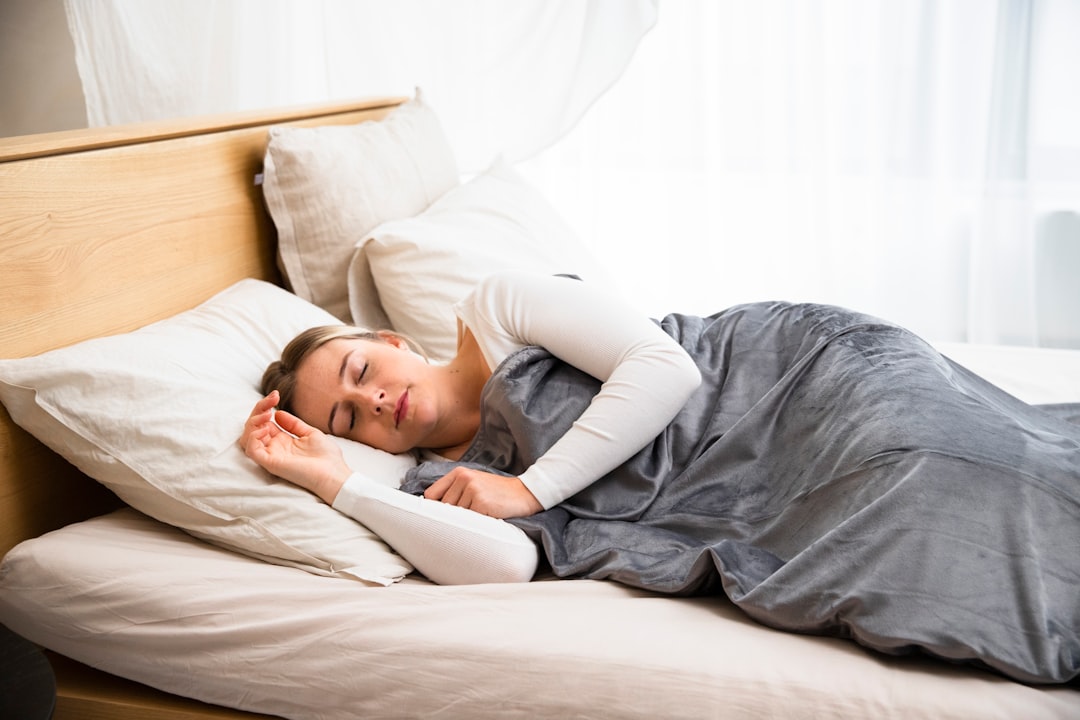
So for side sleepers, the core is non-negotiable. You need that firmer foundation to prevent the hammock dip, even as the top layers cradle your pressure points. A mattress with a compromised core is a bad investment, no matter how plush the initial feel—your back will tell you the real cost over time. The only time a softer core might work is if you’re exceptionally lightweight and simply don’t compress the mattress enough to cause that dip, but for most adults in that typical HDB room, a strong, resilient support system is what keeps everything in line.
Your shoulder and hip take the brunt of your body weight when you're on your side. A surface that's too firm won't give, leaving those joints to press directly into a hard support layer. That's a recipe for waking up with a numb arm or a dull ache in your hip. A medium-soft to medium feel introduces a crucial cushioning layer that cradles these pressure points. It allows the shoulder to sink in just enough to offload that concentrated weight, preventing the pins-and-needles sensation that disrupts sleep. This isn't about luxury; it's a functional requirement for side sleepers to avoid pain.
While your shoulders and hips need to sink, your spine must stay straight. That's the tricky balance a proper mattress for side sleepers achieves. If the comfort layer is too soft, your whole torso sinks and your spine curves into a U-shape, straining your lower back. The medium-soft to medium sweet spot provides enough give at the shoulders and hips but maintains enough push-back under your waist and lower back. This keeps your spinal column in a neutral, natural line from your neck down. Proper alignment overnight means you stand up straighter in the morning without stiffness.
The magic happens in the top several inches. You need a thicker comfort layer of memory foam or latex, typically four inches or more, dedicated purely to contouring. This sits atop a firmer support core that stops you from sinking too far. Memory foam offers a slow, hugging sink that excels at pressure relief, while latex gives a more buoyant, responsive feel. Both materials in the right thickness create that essential cradle without bottoming out. The quality of these materials, indicated by density for foam, determines how long this corrective effect will last.
This specific construction isn't the budget-tier option. Building a mattress with a substantial, quality comfort layer over a durable core simply costs more. In the Singapore market, you're looking at a typical price range of $1,200 to $2,400 for a Queen size that reliably delivers this. Pieces at the lower end of that range might use simpler foam combinations, while the higher end often incorporates natural latex or advanced gel foams. View this not as an extra expense, but as the direct cost of a therapeutic sleep surface designed for your dominant position.
For a dedicated side sleeper, compromising on this firmness range is compromising on health. You can't train your body to sleep in a neutral position on a plank. A mattress that's too firm will cause discomfort that forces you to toss and turn, fragmenting your sleep cycle. The only real exception is if you're a very heavy person, where a medium-firm might be necessary to prevent excessive sinkage. For the vast majority, that medium-soft to medium feel isn't a preference—it's the engineering solution to a biomechanical problem. Getting this wrong means you'll be shopping again far too soon.
The soft top layers are what you notice first, sinking into that relief for your shoulder and hip. But they’re only doing their job if a proper foundation holds everything in line. Without that, you’re just floating on a marshmallow—your spine won’t thank you.
Two main types handle that job: pocketed springs and high-density foam bases. Pocketed springs are individual coils wrapped in fabric, so they move independently. When you lie on your side, the springs under heavier points like your hips compress just enough, while the ones around your lighter waist and legs stay firmer. This creates a subtle cradle that keeps your spine from dipping into a U-shape. Foam bases, especially those high-density ones, work differently—they’re a solid, uniform slab that resists sinking. The contouring happens entirely in the comfort layers above, while the base acts like a steadfast platform preventing any deep, misaligned sag.
For most side sleepers, the pocketed system is the clear winner. It’s that independent response which really mimics the natural curves of your body under pressure. The exception? If you share a bed with someone who moves a lot, or if you’re particularly heavy, that uniform foam base can offer a more consistent, motion-isolating feel across the whole surface.
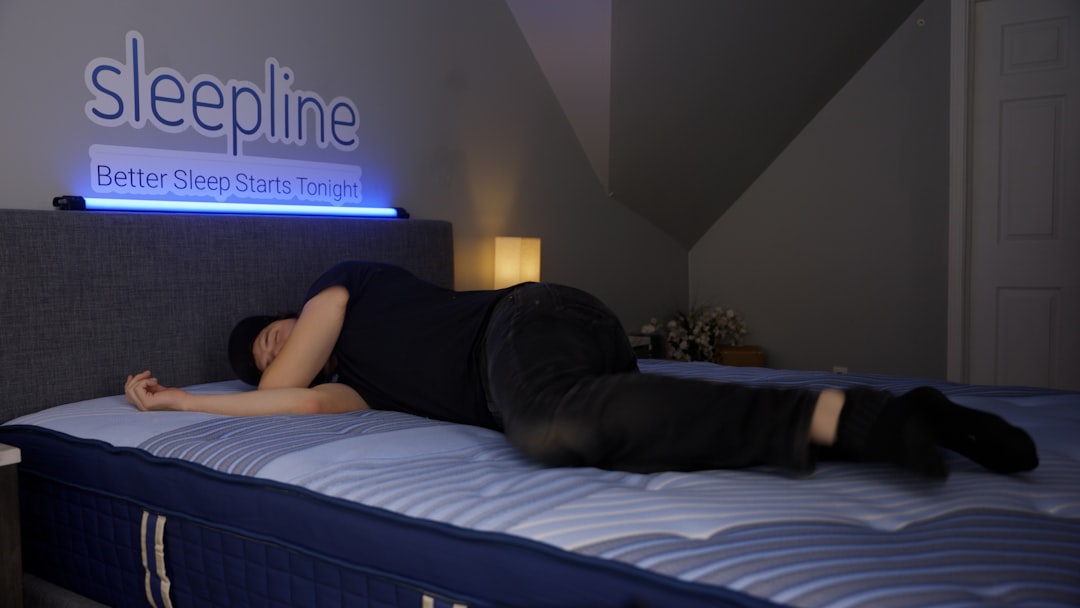
This becomes especially critical for pregnant women advised to sleep on their left side. That position isn’t just about comfort; it’s a health recommendation to improve circulation. A mattress that caves in under the extra weight and changing contours defeats the purpose entirely. You need a support core that provides a stable, level foundation so the softer top layers can relieve pressure without letting your spine twist or your hips drop. A pocketed spring grid typically does this best, offering targeted support exactly where your body needs it to stay aligned through the night.
A mattress that feels plush in a quick sit-down can betray you after twenty minutes on your side. That’s the trap many side sleepers walk into—they press a hand into the top layer, find it comfortably soft, and assume the job is done. But the real test isn’t in the surface sink; it’s in what happens to your hips and spine once you’re fully settled. Your shoulder and hip need to nestle into the comfort layer to relieve pressure, yes, but your pelvis cannot be allowed to sag downwards. If it does, your spine curves out of line, and that’s where the morning ache comes from.
You simply cannot assess this from a brochure or a thirty-second lie-on-your-back. The only reliable method is to visit a showroom, find the mattress in question, and commit to the full ritual. Go during a quieter period if you can, so there’s no pressure to rush. Lie down in your natural side-sleeping position—the one you actually use at 2 a.m.—and stay there. Set a timer on your phone for a proper five minutes. Let your body weight distribute fully. Pay attention to the sensation around your hip: is it cradled, or is it sinking deeper and deeper as the core beneath gives way?
This is where you verify the construction. A side-sleeper mattress is a layered proposition—a softer top for pressure relief married to a firm, unwavering support core. That core is the non-negotiable. While the top layer contours, the base must hold your spine in a neutral, straight line from shoulders to hips. You’re checking for a distinct feeling of foundational firmness *beneath* the initial cloud-like softness. If your hip keeps descending with no firm stop, the core isn’t doing its job, no matter how luxurious the memory foam feels at first touch.

For a concrete test of the Somnuz® line, which is built with this exact balance in mind, heading to either the Joo Seng or Tampines showroom makes sense. Both locations have the full range laid out for you to try. The key is to ignore the initial impression and focus on the minutes-after feeling. Bring your partner if you share the bed; their weight distribution will change the equation. The whole point of going down is to move past the showroom glance and into a real simulation of sleep—that’s the only way to judge if a mattress will truly support you night after night. Anything less is just guessing.
You can tell a lot about what keeps Singapore side sleepers up at night by looking at what they type into the search bar at 2 a.m. The queries are specific, tinged with a certain local flavour—they’re not just looking for a mattress, they’re solving for a 4-room BTO bedroom, a sore hip that flares up after a long day, and the year-round humidity that seeps into everything.
'Is memory foam too hot for Singapore?'
'Best mattress for side sleeper hip pain HDB'
'How firm should side sleeper mattress be?'
'Latex vs memory foam for side sleeping price'
These aren’t random thoughts. They’re the distilled, practical worries of someone who’s trying to marry pressure relief with spinal alignment, all while navigating the realities of our climate and space. The search for the ‘best’ often starts with material wars—memory foam’s deep hug versus latex’s buoyant support—and quickly gets tangled with budget and that persistent ache in the shoulder. It’s a puzzle where the pieces are comfort, support, cooling, and cost, and everyone’s trying to fit them together without a clear picture on the box.
The real tell is how often ‘HDB’ appears alongside ‘hip pain’. It’s not just about the body; it’s about the context. A mattress that’s perfect on paper might be a nightmare to get up a narrow lift landing, or it might trap heat until you’re tossing in a pool of sweat by 3 a.m. That search for a medium-soft to medium firmness sweet spot gets complicated fast when you’re factoring in delivery through a 90cm doorway and whether a material will hold up in 80% humidity.
So while the internet churns out generic advice, the Singaporean side sleeper is already two steps ahead, asking the questions that actually matter for their flat, their body, and our weather. They’re looking for answers that don’t just exist in a showroom, but that work in a real bedroom, night after humid night.
In a compact 12 sqm common bedroom, the edge of your mattress isn't just a boundary—it's a functional seat, a place to perch while getting dressed, and often the only stable spot to get in and out of bed. That's where the ideal side-sleeper mattress hits a real snag. The deep, soft contouring you need to cradle your shoulders and hips often comes at the expense of a firm, supportive perimeter. You sink gratefully into the centre for pressure relief, only to find the sides collapsing when you sit down, a frustrating compromise that feels unstable every morning and evening.
This tension is especially pronounced in typical HDB layouts where floor space is precious. A Queen mattress measuring 152 by 190cm can dominate the room, leaving little clearance on the sides. When the edge support is weak, you'll instinctively avoid sitting near the foot or sides, which defeats the purpose of maximising every square centimetre. The mattress edge becomes a no-go zone, effectively shrinking your usable sleeping surface and making the room feel even more cramped.
Material construction is the key to resolving this. Look beyond the plush comfort layers and examine what reinforces the perimeter. Many mattresses designed for pressure relief use a single, uniform foam encasement that's soft all around. The better option for a space like this is a mattress with a dedicated firmer foam border or a reinforced edge-support system. This creates a distinct transition zone: the sleeping surface remains softly contoured for your side posture, while the outer 15 to 20 centimetres provide a stable, seated edge that won't buckle. It's a deliberate engineering choice, not an afterthought.
For the majority of side sleepers in smaller flats, prioritising a reinforced edge is a practical necessity. The pressure relief from a medium-soft comfort layer is useless if you dread getting into bed because it feels like tumbling into a pit. The one exception might be if the mattress is strictly for a child's room or a guest room that sees very infrequent use—where sitting on the edge is a rare occurrence. But for a daily-use common bedroom, that firm perimeter isn't a luxury; it's what makes the deep contouring actually workable in a real Singapore home.
" width="100%" height="480">Side sleeper mattress guide: Verifying core support and alignmentThe moment you’ve decided on a mattress is precisely when you need to slow down. Don’t get swept up by the relief of making a choice; treat the next steps like a pre-flight checklist. Start with the paperwork you’ll probably ignore: the fine print on returns and trial periods. In Singapore’s climate, a mattress that feels perfect in an air-conditioned showroom might feel like a heat trap in your non-aircon bedroom after two weeks—so you need to know exactly what your exit options are. Verify the trial length, any mandatory waiting period before a return, and whether there are restocking or transport fees. That peace of mind is worth more than a small discount.
Then, get granular on delivery logistics, especially if you live in a walk-up apartment or an older HDB block. The mattress itself is flexible and can usually be bent around tight corners, but the base or bed frame might not be so forgiving. Measure your lift door opening—often around 90cm wide—and your internal bedroom doorway. If the delivery team hits a snag, you could be facing a staircase carry surcharge that wasn’t in the quote. Confirm with the retailer exactly what ‘free delivery’ covers and what constitutes an ‘access difficulty’ that incurs extra charges.
Your final, non-negotiable step is one last in-showroom test with the person who’ll be sharing the bed. Lie down together on your shortlisted mattress in your typical side-sleeping positions for a good ten minutes. Pay attention to whether the surface dips or transfers movement when your partner shifts—a common gripe that solo testing misses. This is about partnership compromise, too; if one of you needs a slightly firmer feel for the hips while the other needs a softer shoulder sink, you’ll feel it now, not at 2 a.m. next month.
Only after ticking these boxes should you proceed to payment. The only time to skip this rigorous final check is if you’re buying an identical replacement for a mattress you’ve already loved for years—and even then, confirm the delivery can get it into your flat. Everything else warrants this last dose of due diligence.
Mattress support cores for side sleepers must withstand Singapore's high humidity. A solid-wood or plywood base offers better long-term stability than particleboard, resisting moisture-induced warping. Rubberwood is a common affordable hardwood choice here. Proper ventilation under the bed helps protect the core from the 80%+ humidity typical in local bedrooms.